
The Roman People and Imperial Spectacle
Quo VadisThis thread follows the populace from dependence on games and imperial gifts to moments of judgment and resistance.
increasing Bearing strength in each event
 decreasing
Bearing strength in each eventdecreasingAn Audience for Power
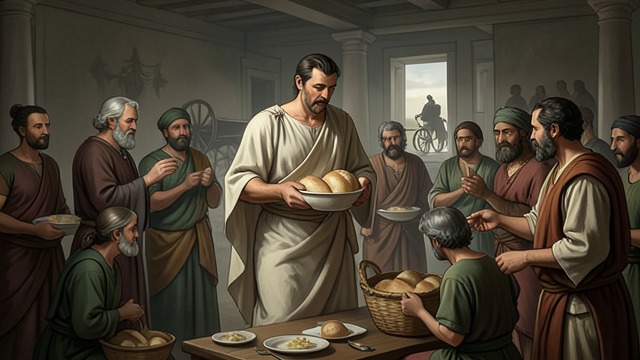
An Audience for Power
Entertainment as policy
Nero offers food, lotteries, races, and spectacles to a population dependent on public distribution.
Approval as leverage
The emperor needs applause, yet the crowd’s attention can become a political force he cannot fully command.
The Fire’s Displaced Crowd
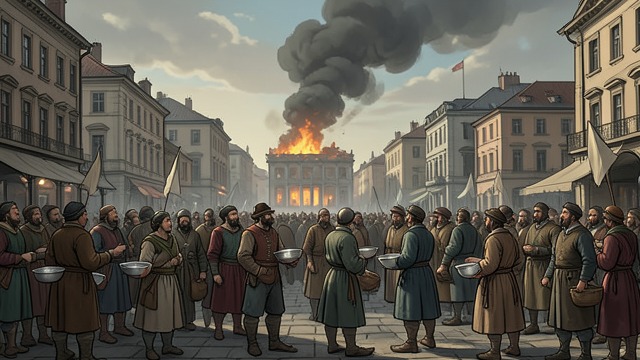
The Fire’s Displaced Crowd
Hunger and upheaval
Thousands lose homes and belongings. Shortages and disorder make the promise of bread and shelter politically urgent.
Public anger grows
Relief does not erase suspicion that the ruling court is responsible for the catastrophe.
Bread and Games
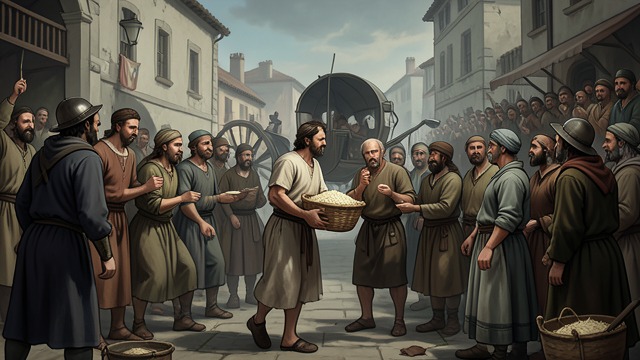
Bread and Games
A crisis calmed
Petronius promises grain, open gardens, and games, shifting the crowd from imminent violence to demands for provision.
Power exposed
The episode shows that Nero’s authority depends partly on the people whose approval he treats as entertainment.
A Crowd Sees the Martyrs
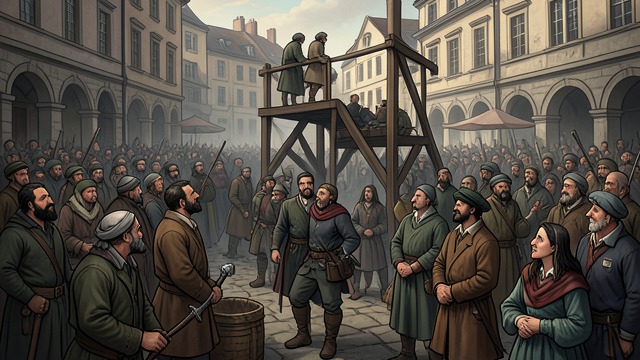
A Crowd Sees the Martyrs
The spectacle changes meaning
The Christians’ calm, prayers, and refusal to hate complicate the image of them as monstrous criminals.
Pity enters public life
Spectators begin to feel that the punishments exceed justice, even when they have come expecting entertainment.
Mercy Against the Emperor
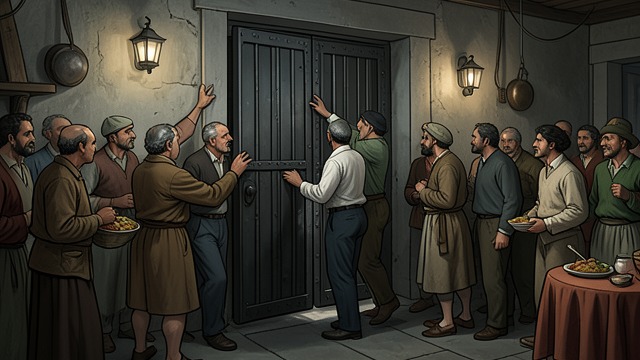
Mercy Against the Emperor
Collective pressure
The crowd supports Ursus and Lygia, while senators and even a loyal tribune signal that Nero should spare them.
A limit becomes visible
Nero yields because public fury could become revolt, revealing that imperial power is not absolute in practice.
At Nero’s public feasts and performances
During the first week after the fire
When Petronius addresses the mob beneath the aqueduct
During the Christian executions
When the crowd demands Lygia’s release
